According to research from Stanford University’s Persuasive Technology Lab, 75% of consumers judge a company’s credibility based on its website’s design alone—before they read a single word. In today’s digital-first world, that split-second first impression can make or break your chances of converting a visitor into a customer.
Choosing the right web designer isn’t just about aesthetics—it’s about building trust and credibility from day one. Here are 10 essential questions to ask before hiring a web designer. Your questions get sharper once you know what buyers want from an agency.
1. What Experience Do You Have With Businesses Like Mine?
2. Do You Build Custom Websites or Use Templates?
3. How Do You Approach SEO During the Design Process?
4. How Will You Design a Website for Conversions?
5. What Is Your Web Design Process From Start to Finish?
6. Who Will Own the Website After Completion?
7. What Ongoing Support Do You Provide After Launch?
8. How Long Will the Project Take?
9. What Does the Full Cost Include?
10. Can You Show Me Measurable Results From Past Projects?
1) What Experience Do You Have With Businesses Like Mine?
When hiring a web designer, it’s important to know whether they’ve worked with businesses similar to yours, understand your industry, and recognize the challenges your audience faces. The right experience can shorten the learning curve and lead to a more strategic, conversion-focused website.
Now, when you’re evaluating a web designer, relevant experience matters way more than just years in the industry. Someone may have designed websites for ten years, but never really worked with businesses that are similar to yours. That gap often shows in messaging structure, as well as user flow.
A developer familiar with your industry already understands what your audience expects when they land on your site. They know what information must appear first, what objections customers typically have, and what builds trust quickly. This understanding shapes everything from homepage layout to call-to-action placement.
This is also mainly where professional web design services differ from general designers. What happens is that experienced agencies usually rely on frameworks that are proven rather than simply guessing what might work. On top of that, they also use past performance data in order to structure new websites more effectively. Ready to ask these for real? We are happy to walk you through every one.
2) Do You Build Custom Websites or Use Templates?
Your website should fit your business, not the other way around. Before hiring a web designer, it’s important to understand whether they create fully custom websites or rely on pre-made templates. The answer can significantly impact your site’s flexibility, scalability, and ability to stand out from competitors.
This question easily reveals just how much effort your designer actually puts into their work, and many providers tend to advertise custom design but actually modify existing templates. While this may reduce costs, it will often introduce limitations that appear later when your business also begins to grow.
A truly custom website is built around your brand identity, your messaging structure, and your business goals. Every layout decision supports communication clarity and user flow. This is very different from adjusting colours on a pre-built structure.
On top of that, templates can also sometimes work for smaller projects, but businesses relying on their website for lead generally will usually outgrow them very quickly. At this point, limitations often appear anytime you’re trying to expand SEO pages, add integrations, or even improve general conversion flows.
This is why many WordPress web designers and professional agencies emphasise scalable development and why its so advantageous to have a WordPress site. They understand that a website should not just serve your current needs but should support where your business will be in three to five years.
3) How Do You Approach SEO During the Design Process?
Remember that SEO must be built into the structure of the website, not added after launch, as good designers plan technical SEO from day one. Without any kind of proper structure, even great content may struggle to rank.
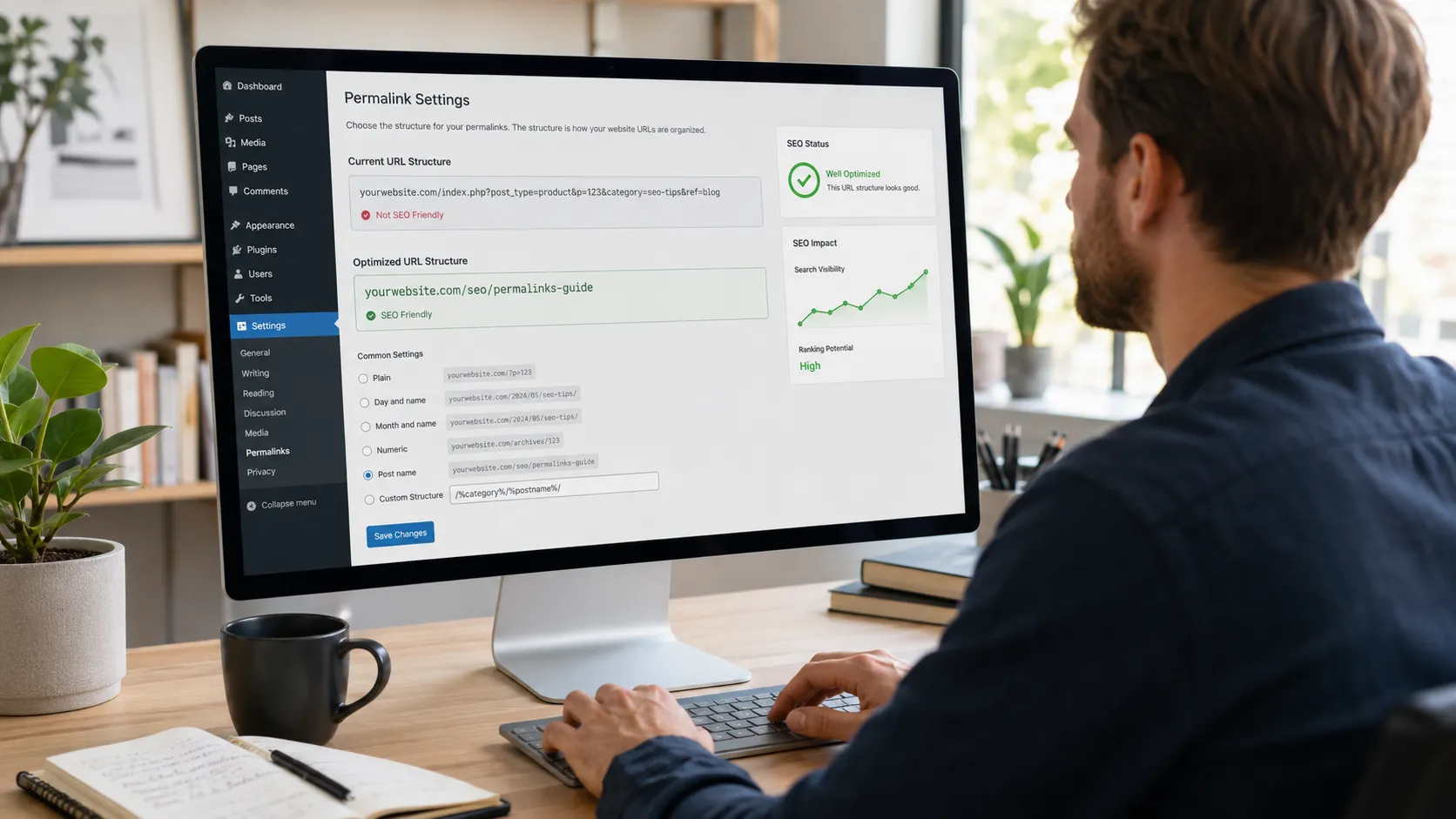
Many business owners mistakenly believe SEO starts after a website is finished. In reality, some of the most important SEO decisions happen before design even begins. Site hierarchy, URL structure, internal linking, and page speed all influence search visibility.
What happens here is that designers who easily understand SEO web design think about just how search engines read websites. They structure pages logically and use proper heading hierarchies.
A good designer should always be able to clearly explain how they address:
- Site structure
- Speed optimisation
- Mobility usability
- Metadata setup
4) How Will You Design a Website for Conversions?
A good website should always be able to guide visitors toward taking action, as a design that is conversion-focused always turns traffic into leads.
Many designers tend to focus heavily on appearance but simply ignore behaviour. A conversion-focused website considers how users will think, what they need to see in order to simply trust you, and what motivates them to even take action after all of this.
Remember that this is mainly where conversion-focused web design becomes important. Instead of simply presenting information, the layout is structured to move users pretty logically from awareness to making a proper decision.
Professional designers usually plan the conversion structure by analyzing:
- User behaviour patterns
- Industry conversion trends
- Customer decision triggers
- Friction points in navigation
5) What Is Your Web Design Process From Start to Finish?
A clear process will always make sure that it delivers timelines and the best of quality, as professional designers will tend to follow a structured workflow.
A well-structured process reflects professionalism and builds confidence from the start. It shows that the designer has refined their approach over time and understands how to move a project efficiently—from initial concept to a smooth, successful launch.
Most professional web design agencies follow a multi-phase approach. This usually begins with discovery, where they learn about your business and goals. From there, they move into planning, design, development, testing, and launch.
This structure will prevent any kind of miscommunication from happening and even make sure that many expectations are properly aligned. Without it, projects often drift without clear direction, resulting in missed deadlines or unfinished functionality.
A strong process should also include collaboration points where you review work before moving forward. And remember that if a designer can’t clearly outline their process, it usually means they are working reactively rather than strategically.
6) Who Will Own the Website After Completion?
You should always be able to own your website, domain, and even hosting, and you should not accept restricted access. This is one of the most overlooked but critical questions to ask before hiring a web designer.
Some providers try to retain control over domains and even hosting accounts, which makes it rather difficult for clients to move later. Full ownership will simply mean that you should have access to:
- Your domain registration
- Hosting account
- CMS admin panel
- Website files
Without this, there are high chances that you might become very dependent on the designer indefinitely. This is why you should always clarify ownership terms before signing any agreement. This protects you from unexpected costs or technical barriers later. One important thing to note is to also know how to register your web domain before proceeding.
7) What Ongoing Support Do You Provide After Launch?
Websites will always require ongoing maintenance tasks in order to stay secure and effective. One thing that good designers should do is to offer continued support, as a website is never truly finished.
Many business owners assume websites are one-time projects. In reality, they require updates, security monitoring, and performance improvements to remain effective.
This is mainly why providers now offer website maintenance services alongside design. What happens is that regular updates tend to protect against many vulnerabilities, while monitoring the performance makes sure that the site continues to meet user expectations.
Support may also include improvements over time. As your business grows, you may need new landing pages, integrations, or optimization work. Having a designer familiar with your site makes these improvements much easier.
8) How Long Will the Project Take?
Timelines matter more than most businesses realize. Asking how long the project will take helps you set realistic expectations and plan your marketing, content, and launch strategy accordingly. A professional web designer should be able to provide a clear timeframe, explain each phase of the process, and outline what factors could affect delivery.
It’s also important to understand that quality work takes time. The timeline can vary depending on the project’s scope, revisions, content readiness, and functionality requirements. Clear communication and defined milestones ensure the project stays on track and avoids unnecessary delays.
9) What Does the Full Cost Include?
Try to understand the total investment, not just the basic fee of designing a website. There are countless ongoing costs for websites. Website pricing varies widely because projects vary widely. Some quotes include strategy, SEO setup, and integrations, while others include only design.
Understanding the full investment simply means that the designer should clarify whether the quote includes the design, development, SEO setup, integrations, and training. A useful way to evaluate value is not by asking how much a website costs but by asking what it includes. A higher price often reflects deeper strategy and better long-term performance.
Example Cost Structure Comparison
| Basic Package | Professional Package |
|---|---|
| Template build | Custom structure |
| Basic pages | SEO structure |
| No strategy | Conversion planning |
| No support | Growth support |
10) Can You Show Me Measurable Results From Past Projects?
Design looks good, but results build businesses. What truly matters is whether a developer can demonstrate measurable outcomes from past projects, such as increased conversions, improved traffic, or higher engagement. Real data proves that their work doesn’t just look professional—it performs strategically.
Portfolios that are only filled with screenshots will tell you very little, and what matters is whether those websites improved engagement and conversions. A good designer often provide case studies in order to show how they improved by showcasing the site speed, SEO rankings, conversion rates, and user engagement.
When reviewing portfolios, ask what problems the project solved. This reveals whether the designer thinks like a business partner or just a visual creator.
FAQs
1. Why is it important to ask questions before hiring a web designer?
Asking the right questions helps you understand the designer’s process, experience, and capabilities. It reduces the risk of miscommunication, budget overruns, and disappointing results.
2. How do I know if a web designer is experienced enough?
Review their portfolio, case studies, and client testimonials. Look for experience with businesses similar to yours and evidence of measurable results.
3. Who owns the website after it’s completed?
Clarify ownership of the design, content, and domain. You should have full access and control once the project is finalized and paid for.
4. Will the website be optimized for SEO and mobile devices?
Yes, a modern website should be mobile-responsive and built with foundational SEO best practices to ensure visibility and usability.