
Your website is often the first interaction customers have with your business. 75% of users judge a company’s credibility based on its website design.
For local businesses in NJ, this means your website is not just a digital presence; it’s a key driver of trust, visibility, and lead generation.
The best WordPress web design practices focus on strong SEO structure, mobile responsiveness, fast loading speed, and conversion-focused layouts. When these elements are implemented correctly, your website doesn’t just attract visitors, it turns them into customers.
Why Web Design Matters for Local Businesses
For most local businesses, your website is your primary marketing tool. It’s where potential customers go to learn about your services, evaluate your credibility, and decide whether to contact you.
If your website is slow, difficult to navigate, or outdated, visitors are likely to leave before taking any action. This directly affects your ability to generate leads. Serving nearby towns, we provide web design in Ridgewood NJ too.
According to Google, 53% of mobile users leave a website if it takes longer than three seconds to load. This shows how strongly performance impacts user behavior.
A well-designed website improves:
- trust and credibility
- user experience
- conversion rates
A poorly designed one does the opposite.
In competitive local markets like New Jersey, where multiple businesses may offer similar services, your website often becomes the deciding factor for potential customers.
Core Elements of High-Performing WordPress Websites
A high-performing WordPress website is not built randomly. It follows a structured approach that supports both search engine visibility and user experience.
1- Clear Website Structure
2- Mobile-Friendly and Responsive Design
3- Fast Loading Speed
4- User-Friendly Navigation
5- Conversion-Focused Web Design
6- Strategic Call-to-Actions
7- Landing Page Optimization
8- Trust Signals and Credibility
1- Clear Website Structure
A clear website structure makes it easier for both users and search engines to understand your content.
This includes organizing your website into logical sections such as homepage, service pages, and contact pages. Each page should have a clear purpose and be connected through internal links.
Search engines favor websites that are easy to crawl and understand. A well-structured site improves your chances of ranking for relevant keywords and attracting consistent traffic.
For example, service-based businesses should create dedicated pages for each service instead of combining everything into one page. This allows each page to target specific keywords and search intent. Good local design should be backed by maintenance for local WordPress sites.
2- Mobile-Friendly and Responsive Design
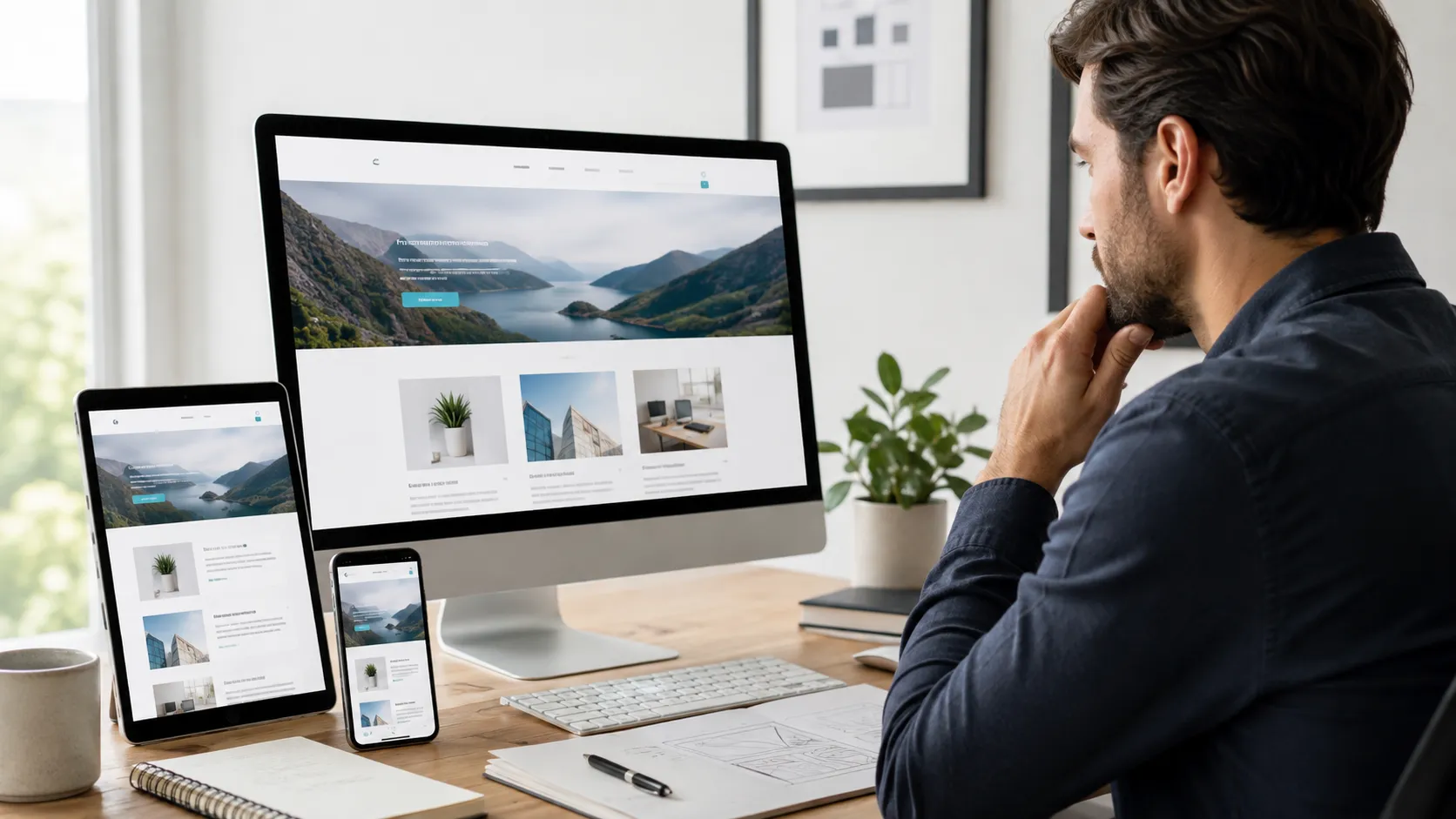
Most users today access websites through mobile devices. If your website does not adapt properly to different screen sizes, it can create a poor user experience.
Responsive design ensures that your website automatically adjusts to mobile, tablet, and desktop screens. This includes readable text, properly spaced elements, and easy navigation.
Mobile-friendly design is not just about usability—it also affects SEO. Search engines prioritize websites that provide a good mobile experience.
For local businesses, this is especially important because many users search for services on their phones while on the go.
3- Fast Loading Speed
Website speed plays a major role in both user experience and search rankings. Slow-loading websites frustrate users and increase the likelihood that they will leave before interacting with your content.
Several factors affect speed, including image sizes, hosting quality, and the number of plugins used.
Optimizing images, using reliable hosting, and implementing caching solutions can significantly improve loading times.
A fast website keeps users engaged and increases the chances that they will explore your services or contact your business.
4- User-Friendly Navigation
Navigation determines how easily visitors can move through your website. If users cannot find what they are looking for quickly, they are likely to leave.
Effective navigation should be simple and intuitive. Menus should clearly label key sections such as services, about, and contact pages.
Visitors should be able to reach important pages within a few clicks. This reduces friction and improves overall user experience.
A well-structured navigation system also supports SEO by helping search engines understand how your pages are connected. Putting these local best practices into action is the core of our web design service for NJ businesses.
5- Conversion-Focused Web Design
Traffic alone does not grow a business—conversions do.
A conversion-focused website is designed to guide visitors toward specific actions, such as filling out a contact form, requesting a quote, or booking a consultation.
Without this structure, even high traffic levels may not translate into actual business results.
6- Strategic Call-to-Actions
Call-to-actions (CTAs) play a key role in converting visitors into leads. These are the buttons or prompts that encourage users to take the next step.
Effective CTAs are placed strategically across the website, including:
- at the top of the page
- within service sections
- at the end of key content
Clear messaging, such as “Get a Quote” or “Book a Consultation,” helps visitors understand exactly what action to take.
7- Landing Page Optimization
Landing pages are designed with a single goal in mind—conversion. Unlike general pages, they remove distractions and focus on guiding visitors toward one specific action.
Effective landing pages include clear headlines, concise messaging, and strong call-to-action elements.
By reducing unnecessary elements and focusing on user intent, landing pages significantly improve conversion rates.
8- Trust Signals and Credibility
A well-designed website should not only guide users but also build trust. Visitors are more likely to contact a business when they feel confident in its credibility.
Trust signals help reinforce that confidence. These include:
- customer testimonials
- case studies or project examples
- certifications or affiliations
- clear contact information
As Steve Jobs said, “Design is not just what it looks like and feels like. Design is how it works.”
This applies directly to business websites. A professional design combined with visible proof of credibility makes visitors more comfortable taking action.
Website Design Best Practices for Small Businesses
For small businesses, website design should focus on clarity, usability, and results. The goal is not to impress with complexity, but to guide visitors toward understanding your services and taking action.
Simple, Clean Layout
A clean layout improves readability and keeps visitors focused. Overloaded pages with too many elements can overwhelm users and reduce engagement.
Whitespace, clear headings, and well-structured sections help visitors quickly scan the page and find what they need.
Consistent Branding
Consistency across your website builds recognition and trust. This includes using the same colors, fonts, tone, and visual style across all pages.
Research from Lucidpress shows that consistent branding can increase revenue by up to 23%. This highlights how important a cohesive design is for business growth.
Content That Supports SEO
Design and content work together. A visually appealing website will not perform well if the content is not optimized for search engines.
Using clear headings, relevant keywords, and internal linking helps search engines understand your website while improving user experience.
Businesses that invest in structured website design often see improvements in both visibility and performance.
WordPress SEO Best Practices for Better Visibility
A well-designed website must also be optimized for search engines to attract traffic.
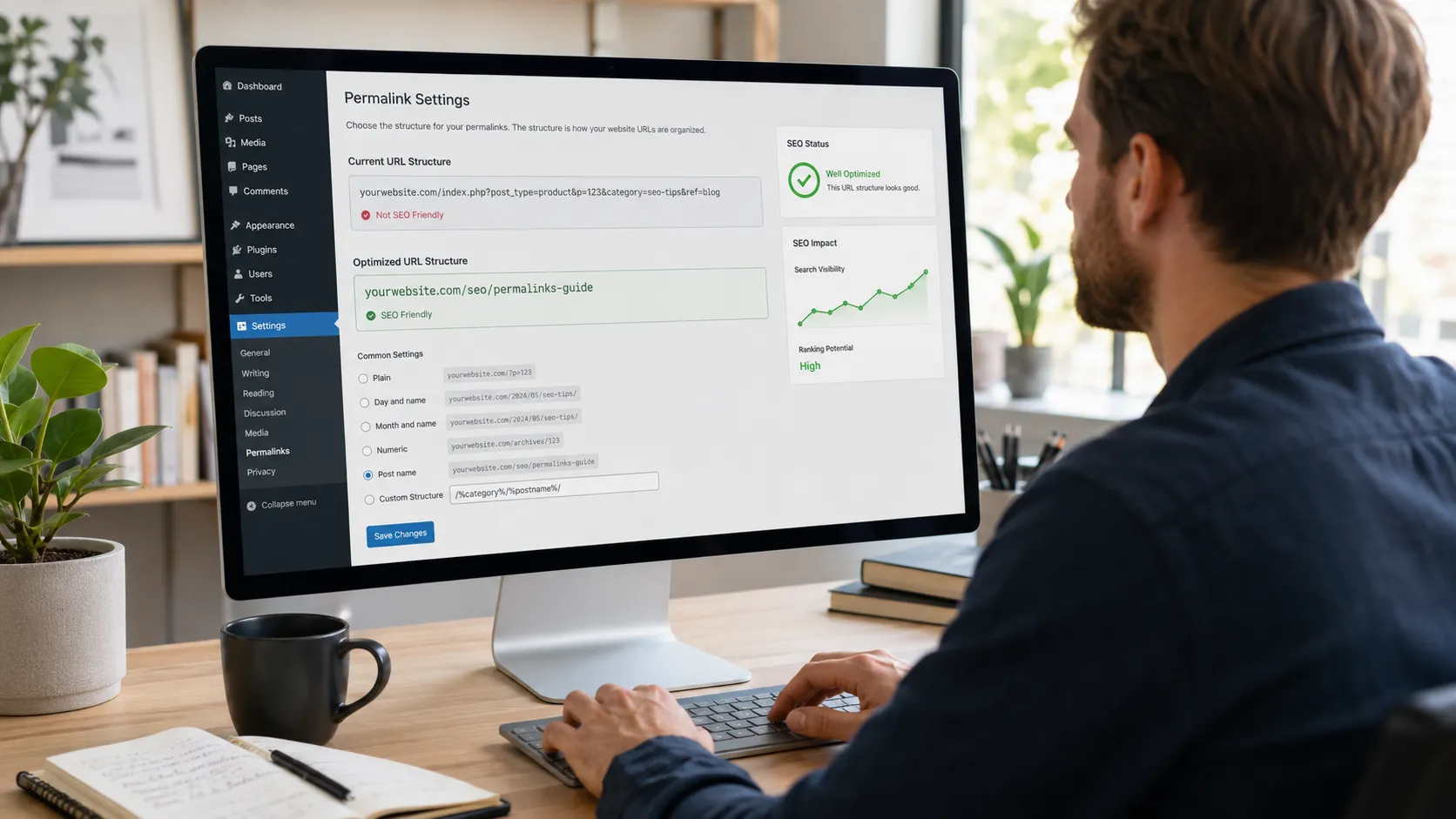
WordPress provides strong SEO capabilities when used correctly. This includes structuring pages with proper headings, optimizing metadata, and linking related content.
Internal linking plays an important role here. It helps search engines understand the relationship between pages while guiding users through the website.
Optimizing functionality and performance also contributes to better rankings and user experience.
When SEO and design work together, businesses can attract more visitors and convert them more effectively.
Modern Website Design Trends Businesses Should Follow
Website design continues to evolve, but the focus remains on simplicity and usability.
Modern trends include clean layouts, minimal design, and clear visual hierarchy. Instead of overwhelming users with information, modern websites guide visitors through content in a structured way.
These trends improve readability and help users focus on key actions, such as contacting the business or exploring services.
Common Website Design Mistakes to Avoid
Even well-intentioned websites can underperform due to common design mistakes.
| Mistake | Problem | Impact |
|---|---|---|
| Slow website | Poor optimization | High bounce rate |
| Cluttered layout | Too much content | Low engagement |
| Weak CTAs | No clear direction | Lost leads |
| Poor mobile design | Bad user experience | Lost traffic |
Avoiding these mistakes helps ensure that your website performs effectively and supports business goals.
Why This Matters for NJ Businesses and Why they Choose H Grant Design
For businesses operating in New Jersey, competition in local markets can be intense. Many companies rely on their websites to attract nearby customers and generate leads.
A well-designed website helps businesses stand out in local search results and provides a better experience for potential customers.
At H Grant Designs, we build websites that follow industry best practices and help generate more leads for New Jersey businesses. With over a decade of experience, we serve our clients with transparency and professionalism — which is why they consistently rate us highly.
Conclusion
A well-designed WordPress website does more than create a professional appearance. It supports SEO, improves user experience, and helps convert visitors into customers.
For local businesses in NJ, applying the right web design practices can make a significant difference in visibility and lead generation.
Your website is one of your most important business tools. When designed correctly, it becomes a powerful asset that drives long-term growth.
Frequently Asked Questions
What makes a good business website?
A good website combines clear design, strong SEO structure, and conversion-focused elements that guide visitors toward taking action.
How important is SEO in web design?
SEO is essential. Without it, even well-designed websites may struggle to attract traffic.
Do small businesses need custom website design?
While not always required, custom design helps businesses stand out and improve lead generation.
How often should a website be updated?
Websites should be reviewed regularly, with updates made as needed to maintain performance and security.
Is WordPress good for local businesses?
Yes. WordPress provides flexibility, scalability, and strong SEO capabilities, making it a suitable platform for local business websites.