
A Stanford study found that 75 percent of users judge a business’s credibility by its website design. Add Google’s finding that 53 percent of visitors leave a site that loads slower than three seconds, and it becomes clear why small businesses can’t afford a weak digital presence. Your website is often the first impression customers get, and that split-second judgment can decide whether they trust you or move on.
Build Brand Credibility with Modern Design
Your website is your digital storefront. A modern, professional design acts as a powerful endorsement of your brand’s quality and legitimacy. When visitors land on a site that is visually appealing and easy to navigate, they instinctively trust the business more.
(Adobe’s Consumer Content Report found that 38 percent of users stop engaging with a site if the design is unattractive or poorly formatted.)
Key elements of modern web design that boost credibility include:
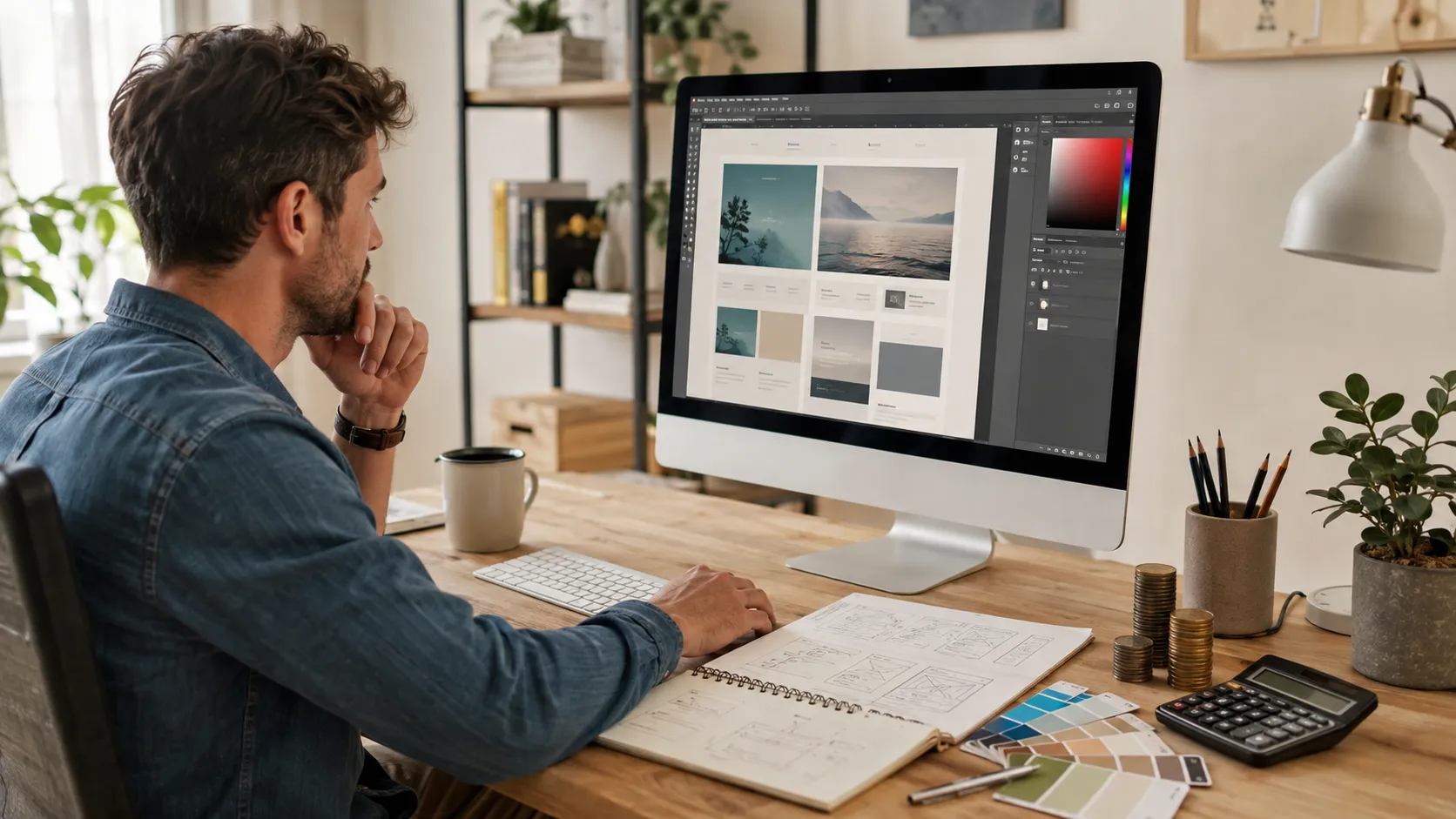
Consistent Branding: Your logo, color scheme, and typography should be consistent across all pages. This cohesion reinforces your brand identity and makes your business more memorable.
High-Quality Imagery: Professional photos and graphics show that you care about quality. Avoid generic stock photos and opt for authentic images that tell your brand’s story. If visibility is the issue, our SEO services help the right people find you.
Clean Layout: A well-organized, uncluttered layout helps visitors find information quickly. White space is your friend it improves readability and gives your design room to breathe. To put these benefits to work, we can build the site your business needs as you grow.
Use UX Principles to Drive Conversions
User experience (UX) is all about how a person feels when interacting with your website. Good UX design makes it easy and enjoyable for visitors to find what they need, guiding them naturally toward a desired action, like making a purchase or filling out a contact form. If growth has stalled, learn the basics of fixing a site that is not converting.
(HubSpot’s conversion research estimates that clearer CTAs and simplified navigation can improve conversions by 20 percent or more.)
Here are some fundamental UX principles that drive conversions:
Intuitive Navigation: Your site’s menu should be simple and logical. Visitors should be able to find key information like your services, pricing, and contact details within a few clicks.
Clear Calls-to-Action (CTAs): Tell visitors exactly what you want them to do next. Use action-oriented language (e.g., “Get a Free Quote,” “Shop Now”) on prominent, clickable buttons.
Readability: Choose legible fonts and ensure there is enough contrast between the text and background. Break up large blocks of text with headings, subheadings, and bullet points.
Embrace Mobile-First and Responsive Design
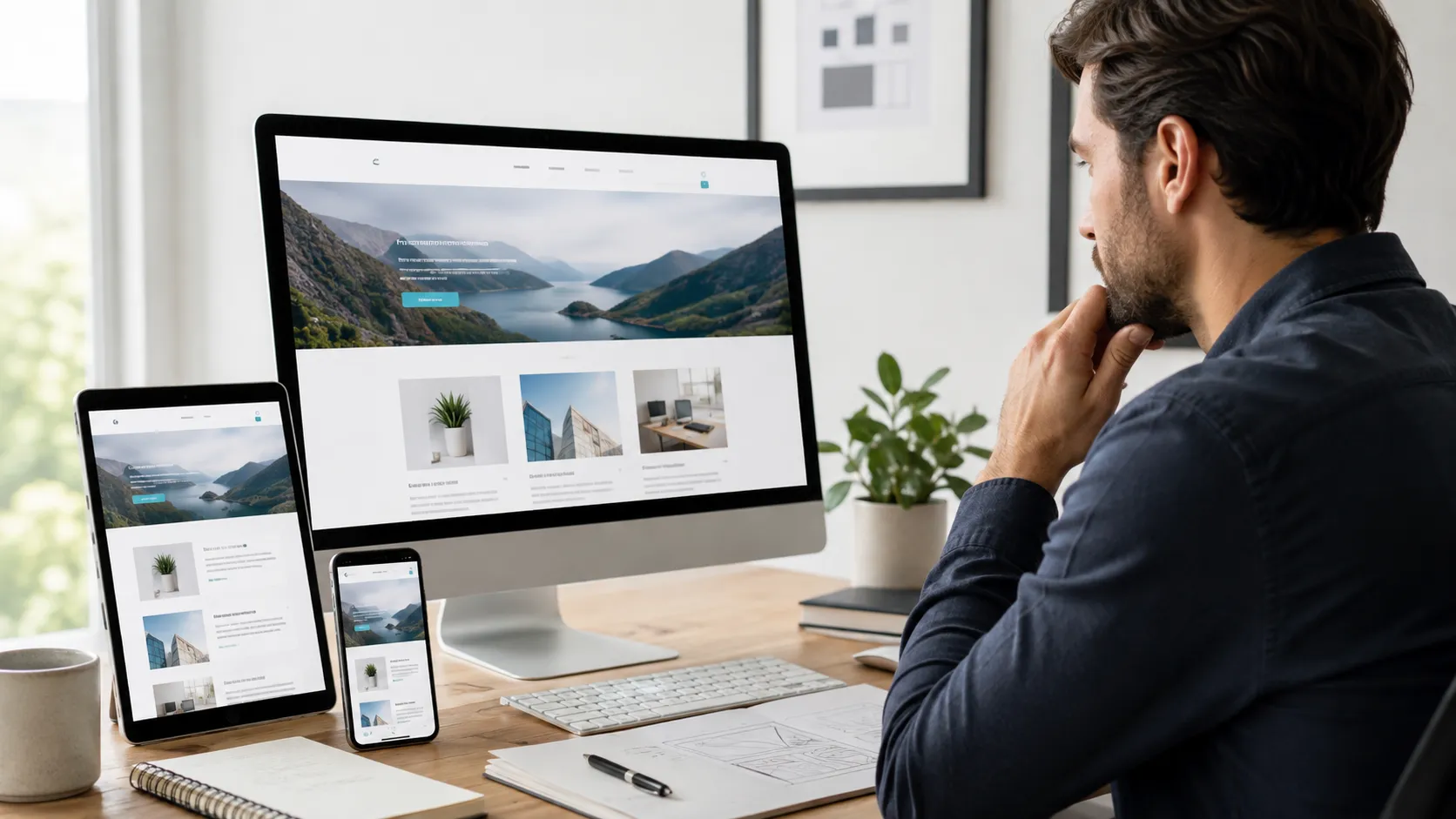
More than half of all web traffic now comes from mobile devices. If your website isn’t optimized for smartphones and tablets, you’re alienating a significant portion of your audience. A mobile-first approach means designing for the smallest screen first and then scaling up to larger devices.
(Google reports that mobile-friendly sites significantly reduce bounce rates and improve overall engagement.)
This is where responsive design comes in. A responsive website automatically adjusts its layout to fit any screen size, ensuring a consistent and user-friendly experience for everyone, regardless of the device they’re using. This isn’t a “nice-to-have” feature anymore; it’s a necessity for staying competitive.
Get Found with SEO-Ready Architecture
A beautiful website is useless if no one can find it. Search Engine Optimization (SEO) is the practice of structuring your website to rank higher on search engines like Google. Professional web design services build SEO into the foundation of your site. Extend your reach further with our social media marketing service.
(Backlinko’s search analysis shows that first-page Google results receive 27.6 percent average CTR, making SEO-ready structure essential.)
An SEO-ready architecture involves:
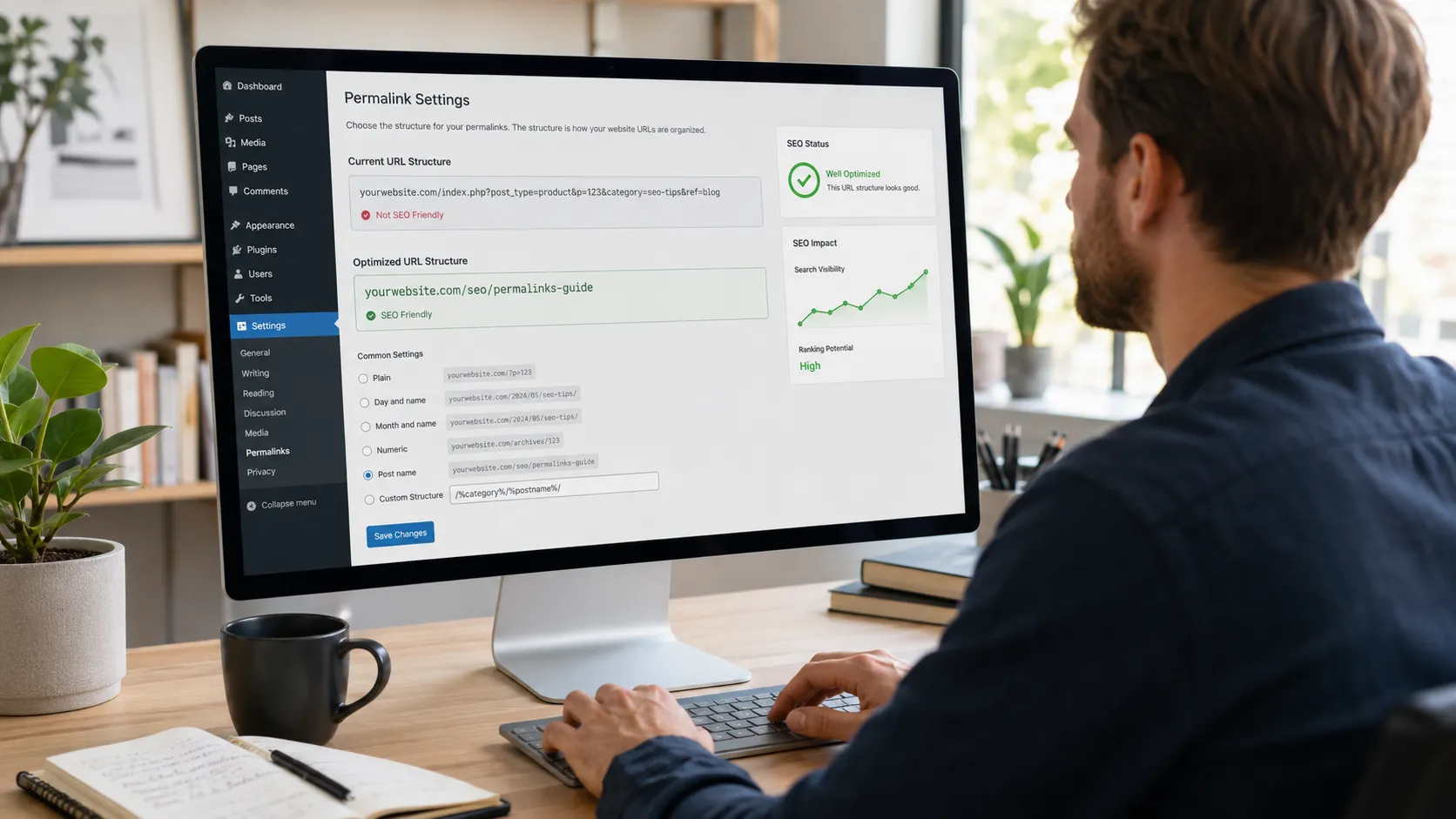
Logical URL Structure: URLs should be simple, descriptive, and contain relevant keywords (e.g., yourbusiness.com/services/web-design instead of yourbusiness.com/p?id=123).
Proper Heading Hierarchy: Using heading tags (H1, H2, H3) correctly helps search engines understand the structure and importance of your content. Your main page title should be an H1, followed by H2s for main sections and H3s for subsections.
Internal Linking: Linking to other relevant pages on your site helps search engines crawl your website and understand the relationships between your content. It also keeps visitors on your site longer.
Prioritize Page Speed and Accessibility
In our fast-paced digital environment, users expect websites to load almost instantly. A slow-loading site frustrates visitors and can lead to a high bounce rate. Professional web designers optimize images, leverage browser caching, and minify code to ensure your site performs at its best.
(Portent’s page speed study found that each 1-second improvement in load time can boost conversion rates by up to 7 percent.)
Web accessibility is equally important. An accessible website is designed so that people with disabilities can use it. This includes practices like adding alt text to images for screen readers, ensuring keyboard navigation is possible, and providing sufficient color contrast. Not only is this the right thing to do, but it also expands your potential customer base and can protect you from legal issues.
Build Trust with Security and Social Proof
Customers need to feel safe when they’re on your website, especially if they’re making a purchase. An SSL certificate, indicated by the padlock icon and “https://” in the browser bar, encrypts data exchanged between the user and your site, protecting sensitive information.
(A GlobalSign security report states that 84 percent of users abandon a purchase when a website is not secure.)
You can also build trust by displaying:
Trust Badges: Logos from security providers like McAfee or Norton.
Customer Testimonials: Positive reviews from happy clients.
Case Studies: Detailed stories of how you’ve helped previous customers succeed.
Clear Contact Information: An easily accessible phone number, email address, and physical address show that you are a legitimate business.
Track Success with Analytics and Optimization
How do you know if your website is actually working for your business? The answer is data. Integrating analytics tools like Google Analytics allows you to track key metrics, such as:
Website Traffic: How many people are visiting your site?
User Behavior: Which pages are most popular? How long are people staying?
Conversion Rates: How many visitors are completing your desired goals?
This data provides invaluable insights into what’s working and what isn’t. A professional web design service doesn’t just build your site and walk away. They offer ongoing optimization, using analytics to make data-driven improvements that continually enhance performance and increase conversions.
See the Long-Term ROI of Professional Design
For a small business, every dollar counts. It can be tempting to opt for a cheap DIY website builder, but this often costs more in the long run. A poorly designed site can lead to lost sales, damage your brand’s reputation, and require a costly redesign down the line.
(Reddit’s r/smallbusiness community has multiple threads where owners report immediate increases in leads after shifting to a responsive, professionally designed site.)
Investing in professional web design services is an investment in the long-term success of your business. A well-crafted website will attract more customers, generate more leads, and provide a strong foundation for your digital marketing efforts. It’s a powerful tool that works for you 24/7, delivering a return on investment that goes far beyond its initial cost.
Conclusion
A strong website isn’t just a digital requirement anymore. It’s one of the most valuable tools a small business can invest in. Modern design builds trust, smart UX drives conversions, responsive layouts keep mobile users engaged, and SEO-ready architecture helps customers actually find you. When you combine these elements with speed, accessibility, and security, your website becomes more than an online presence. It becomes a growth engine that works for your business around the clock.
FAQs
1. Why is web design important for small businesses?
Because customers judge credibility fast. A well-designed site builds trust, improves user experience, and increases the chances of turning visitors into buyers.
2. How does web design affect SEO?
Good design creates a clean site structure, fast load times, and mobile responsiveness. These factors help search engines crawl your pages and rank them higher.
3. What is responsive design?
It’s a design approach that makes your website adjust automatically to different screen sizes, so it works smoothly on phones, tablets, and desktops.
4. How often should a small business update its website?
Most businesses refresh core design elements every 2 to 3 years and update content regularly to stay relevant and secure.
5. How do I know if my website needs a redesign?
Common signs include slow loading, outdated visuals, poor mobile experience, low conversions, and customers saying they couldn’t find what they needed.